Supporting and protecting independent journalism in Ukraine
We provide reliable information and explain the significance of events to engaged Ukrainians

The NGO League Journalism Development is a voluntary, non-profit organization founded in 2020 by a group of media professionals. Our mission is to promote the protection and development of free, independent press and media, strengthen democratic institutions, and safeguard human rights and freedoms.

Establishment and activities

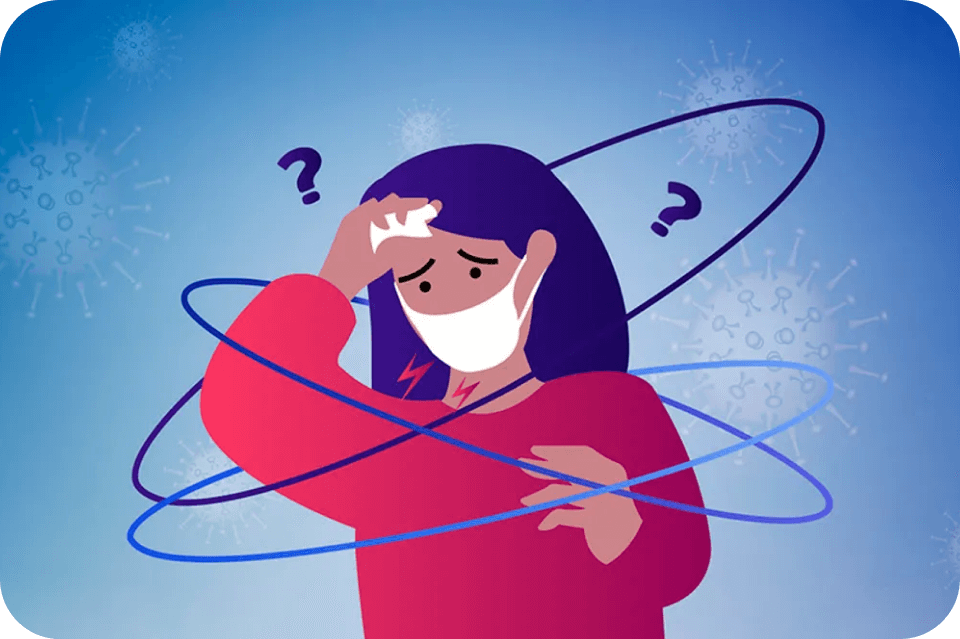
The League Journalism Development was established in May 2020, during the peak of the COVID-19 pandemic. The lockdown made society more insular, leading to power abuses and strengthening the influence of oligarchs and undemocratic political forces. Countering this required transparency — thoroughly covering social, political, and economic developments.

The need for truthful and balanced information became more critical than ever. At the same time, the crisis and uncertainty pushed independent media to the brink of closure. Our organization’s goal was to support Ukraine’s independent media and promote transparency in state decision-making.

Since its inception, the League Journalism Development has partnered with the newsroom of LIGA.net, one of Ukraine’s most respected independent online publications. LIGA.net has long worked to build a culture of reputation in Ukrainian media, combat disinformation, foster critical thinking, and introduce the concept of news hygiene to the Ukrainian media landscape.

With the support of our partners, we launched projects that ensured the uninterrupted operation of LIGA.net’s socio-political desk, strengthened its financial independence, and provided high-quality coverage of critical social, political, and economic processes and ongoing reforms.

Organization’s board

Marina
Bondarenko

Board Chair

Inna
Mozharivska

Board Member

Petro
Shuklinov

Board Member

Organization’s leadership

Yuliia Bankova

Head of the Organization

Team

Yurii
Smyrnov

Project Manager,
Deputy Editor-in-Chief of LIGA.net

Kateryna
Shapoval

Project Manager,
Head of LIGA.net’s Business Desk

k.shapoval@liga.net

Tamara
Balaieva

Project Manager,
Acting Head of LIGA.net’s
Stories and Reports Desk

Anastasiia
Ishchenko

Consultant, Editor

Dmytro
Fionik

Project Manager, Head of LIGA.net’s Stories and Reports Desk

Andrii
Zaika

Consultant, Senior Editor, Special Correspondent

Oksana
Zhytniuk

Consultant,
Senior News Editor

Yevheniia
Mazur

Consultant,
Special Correspondent

Yuliia
Abibok

Consultant,
Special Correspondent

Dmytro
Kruhlikov

Consultant, Correspondent

Tamara
Tysiachna

Consultant, Correspondent

Milana
Holovan

Consultant, Correspondent

Alyona
Nesterenko

Journalist

Alyona
Zheliuk

Journalist

Dmytro
Cherkaskyi

Director of LIGA.net’s YouTube Channel

Organization’s board
Marina Bondarenko

Board Chair

Inna Mozharivska

Board Member

Petro Shuklinov

Board Member

Organization’s leadership
Yuliia Bankova

Head of the Organization

Team
Yurii
Smyrnov

Project Manager,
Deputy Editor-in-Chief of LIGA.net

Kateryna Shapoval

Project Manager,
Head of LIGA.net’s Business Desk

Tamara
Balaieva

Project Manager,
Acting Head of LIGA.net’s Stories and Reports Desk

Anastasiia
Ishchenko

Consultant, Editor

Dmytro
Fionik

Project Manager, Head of LIGA.net’s Stories and Reports Desk

Andrii
Zaika

Consultant, Senior Editor, Special Correspondent

Oksana
Zhytniuk

Consultant, Senior News Editor

Yevheniia
Mazur

Consultant, Special Correspondent

Yuliia
Abibok

Consultant, Special Correspondent

Dmytro
Kruhlikov

Consultant, Correspondent

Tamara
Tysiachna

Consultant, Correspondent

Milana
Holovan

Consultant, Correspondent

Alyona
Nesterenko

Journalist

Alyona
Zheliuk

Journalist

Dmytro Cherkaskyi

Director of LIGA.net’s YouTube Channel

Topics and articles

We cover the most pressing issues impacting Ukrainians’ well-being, explaining complex topics in clear, accessible language.

Countering disinformation and manipulation
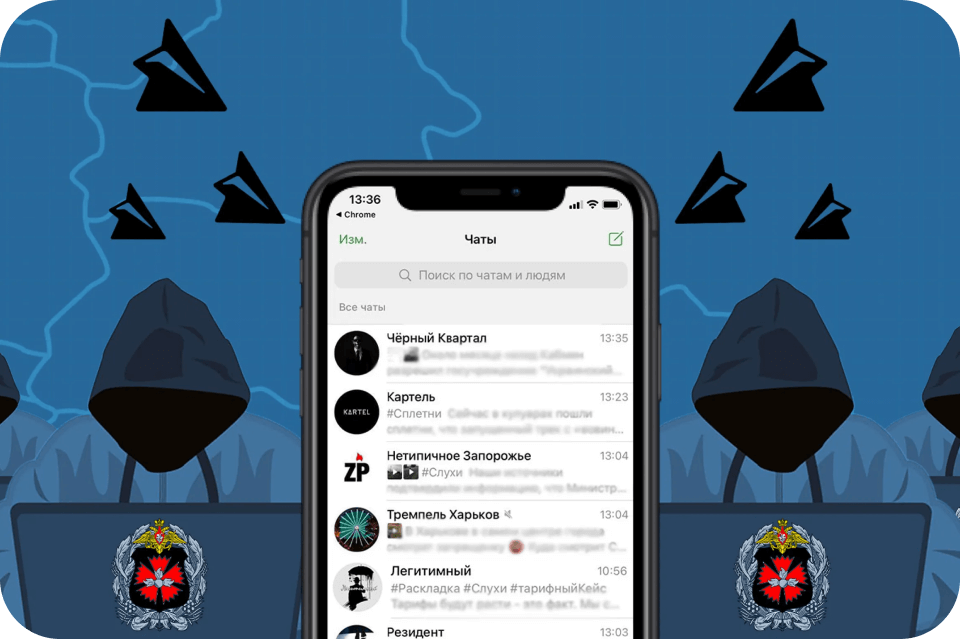
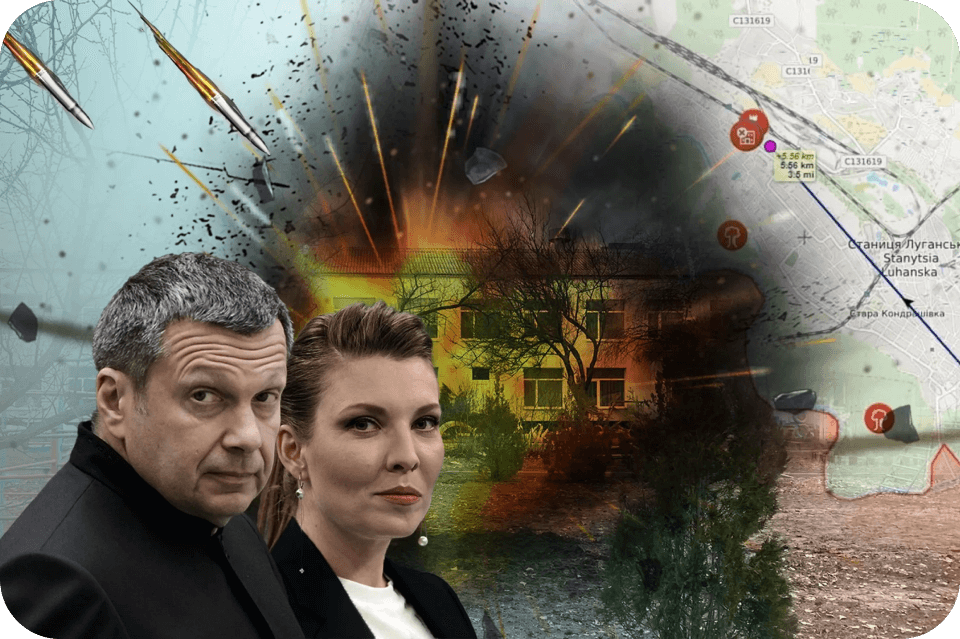
GRU empire
How a network of Telegram channels uncovered by the SBU operates and affects Ukraine
Christo Grozev
Russia’s covert plans, FSB agents in Europe, Tatjana Ždanoka, and protests in Poland
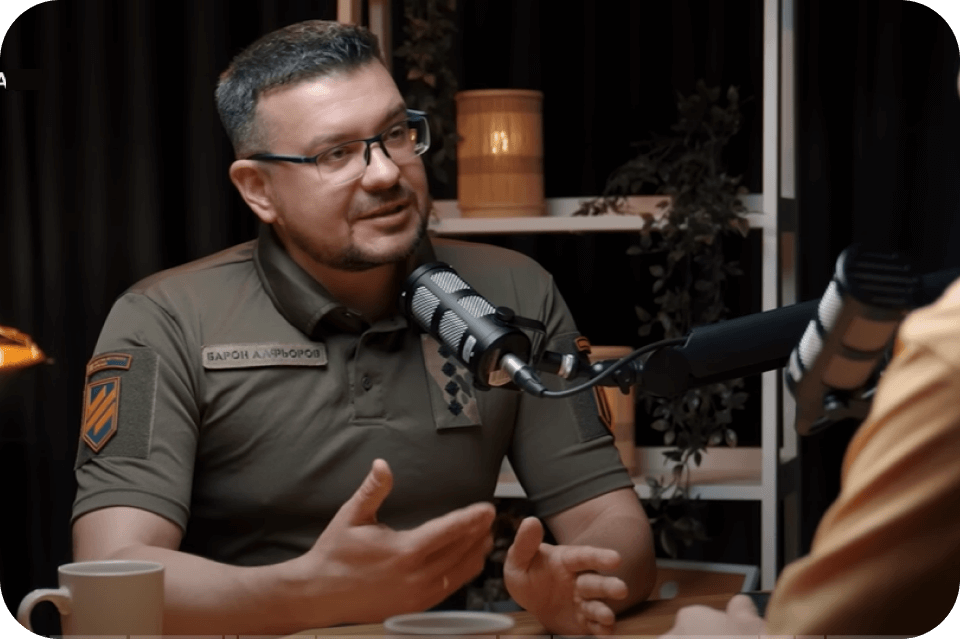
Oleksandr Alfyorov
How history can help defeat Russia, the war of narratives, Tatishchev, and Latynina
Sprut
How Russian special services undermine Europe
“Preparing for February 22”
Rising stakes and Russia’s flood of disinformation on a 2014 scale
“Russians are planning nasty surprises”
Chronicles of resistance
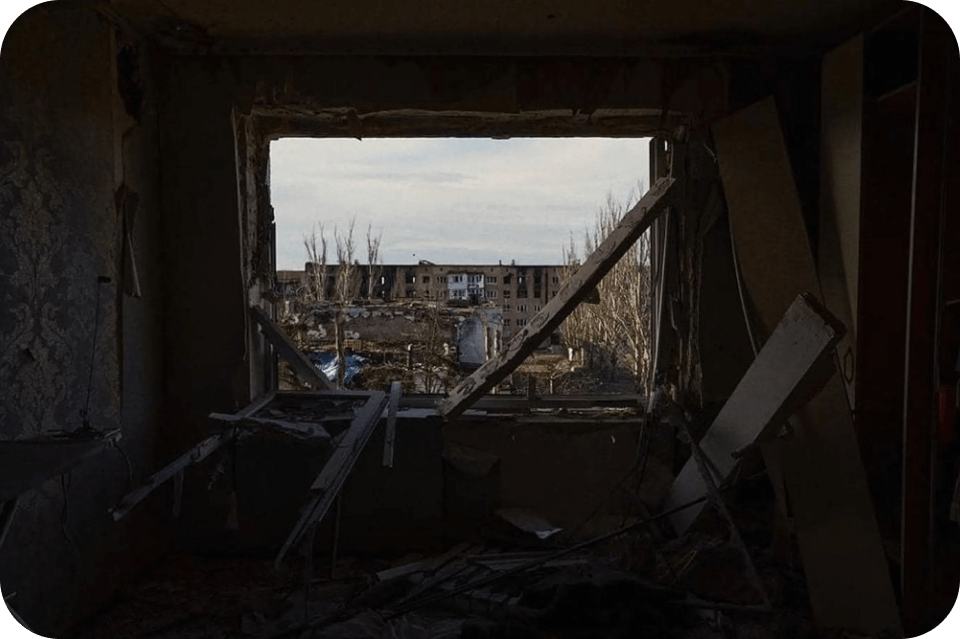
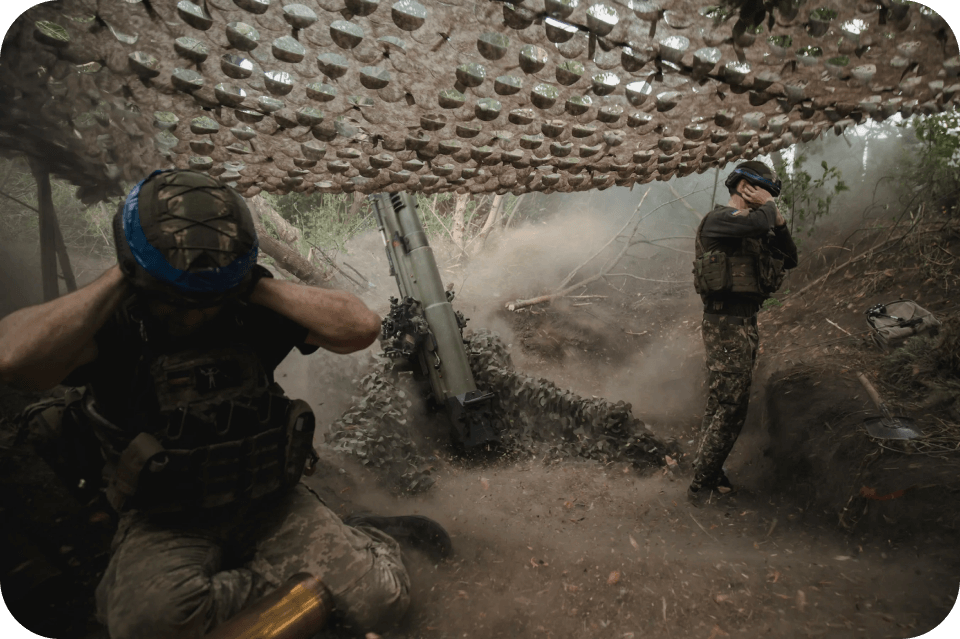
“Russian forces are wearing down. So are ours”
What is happening near Vuhledar, Kurakhove, and Pokrovsk
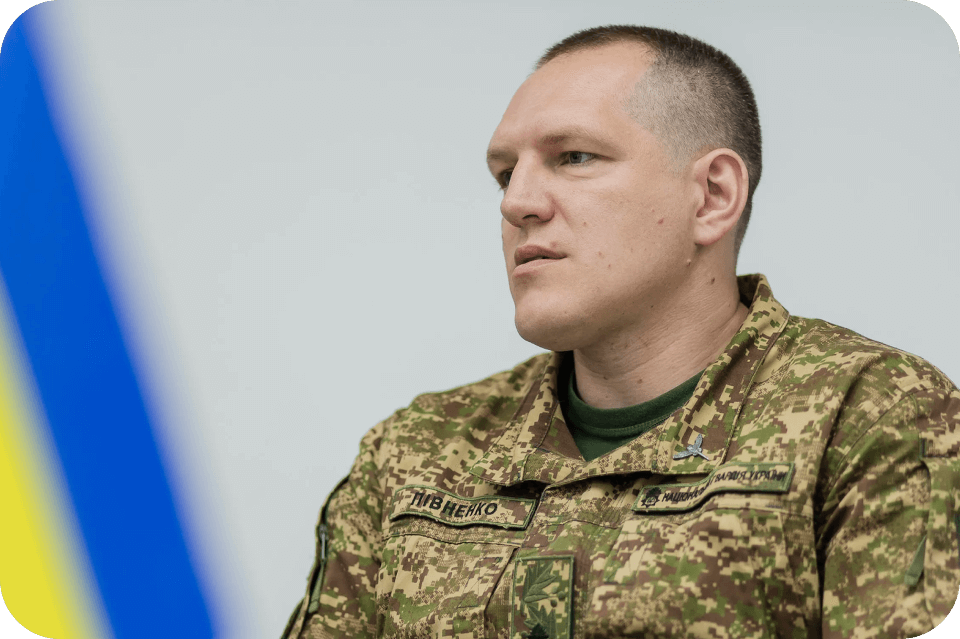
“We’re not military recruiters or here to catch anyone”

Bureviy Commander: Serebrianskyi Forest, Fear

Do generals belong in the trenches?

AWOL in Third Assault Brigade, mobilization at 18, talks with Russia — Zhorin

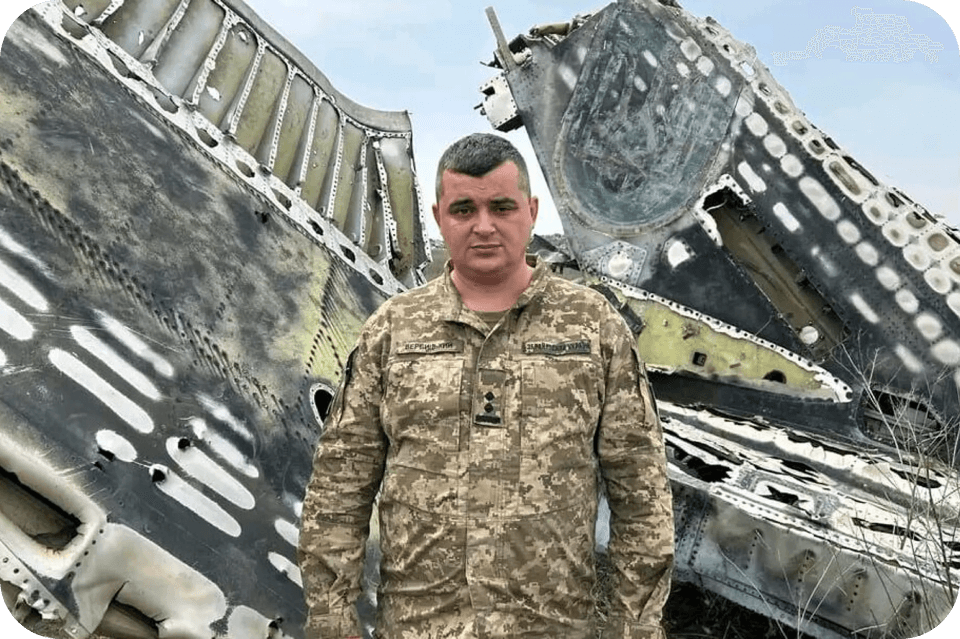
“The plane exploded. Fire in the cockpit”

Su-24M navigator on Russian aviation and F-16s

“It won’t be possible to draft everyone”

What’s happening with mobilization and military recruiter raids

21 months on

Three Western generals on Zaluzhnyi, Gerasimov, strategy, and scenarios

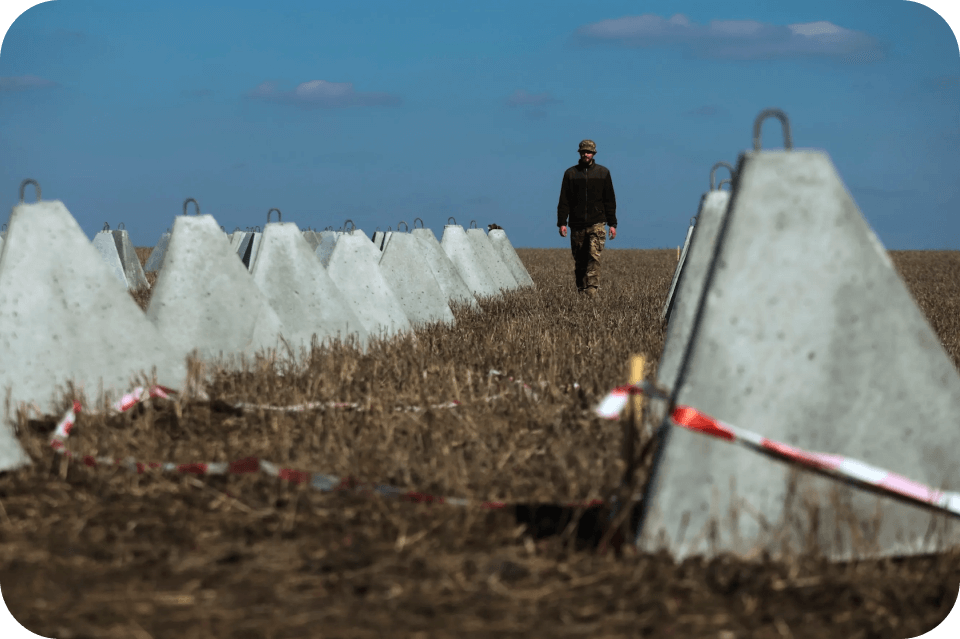
“This is not a line of defense”

Why parliament took up fortifications for Ukrainian Armed Forces and what is wrong with them

“Where there’s light, they strike”

Life in Kharkiv Oblast border area being retaken from enemy

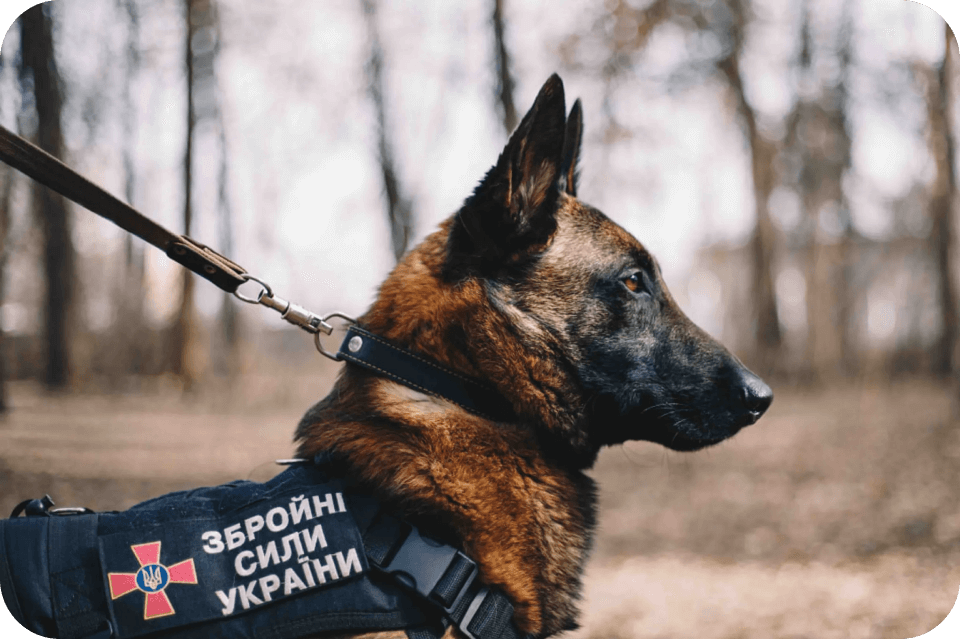
Almaz searches for mines

Work of military dog handlers and their dogs

Ukraine and world

Kremlin triumphs in Georgia

Ex-FM Klimkin on Oreshnik, Middle East, Poland, and Kellogg’s decision

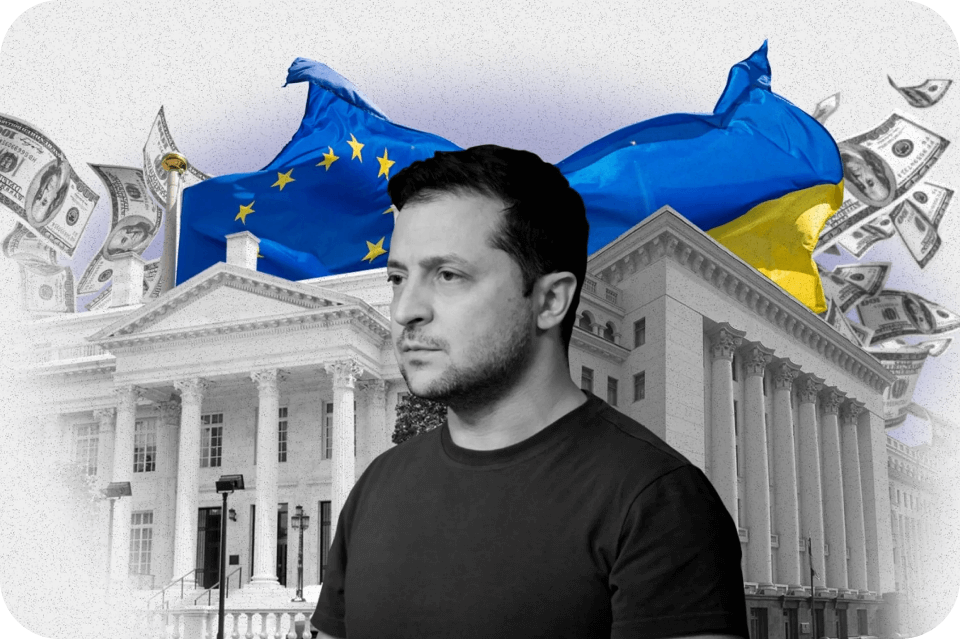
Zelenskyy and his house of cards

Who is pushing Russia into sanctions abyss and how

Chaly, Ohryzko, Musiyenko

Russia at UN, US elections, Europe’s right wing, and how to end war in Ukraine

Ukraine sounding alarm on ZNPP — West reacts… not

What Zelenskyy’s office proposes

“While Scholz is in office, Ukraine won’t get Taurus”

Political scientist Andreas Umland

US begins talk of Ukraine-Russia negotiations

What this means and whether “weapon blackmail” is possible

War and human rights

Spider-man

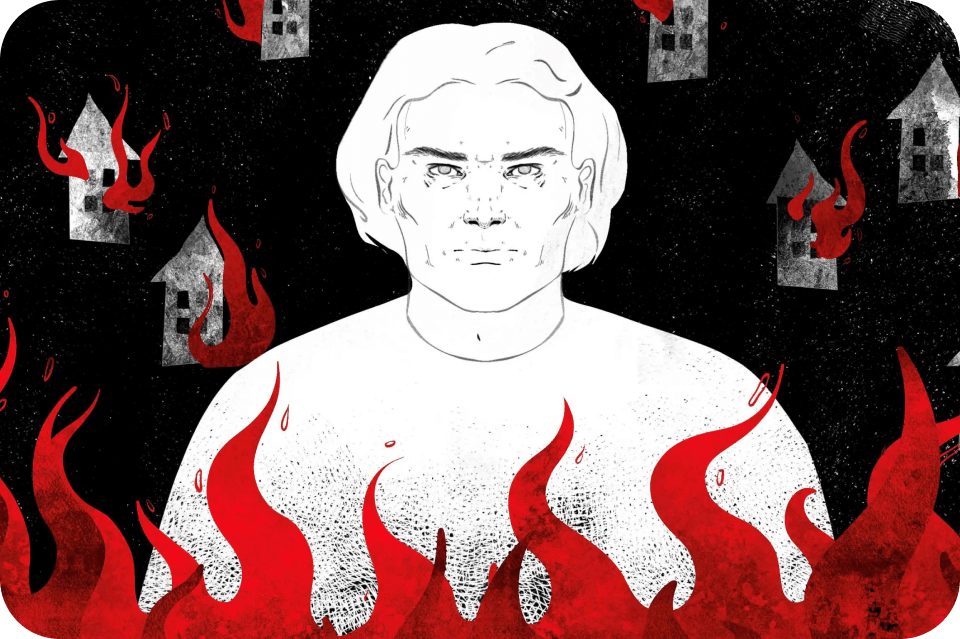
Who and how created network of torture chambers in occupied Kherson Oblast

Underground People

How civilian resistance was structured in occupied Kherson

27 days of hell

How Yahidne and its residents return to life after occupation

Stamp of forced return

Who and why is forcing Belarusians to leave Ukraine

Whose Kherson?

What it’s like to remain Ukrainian in Kherson

Apocalypse not today

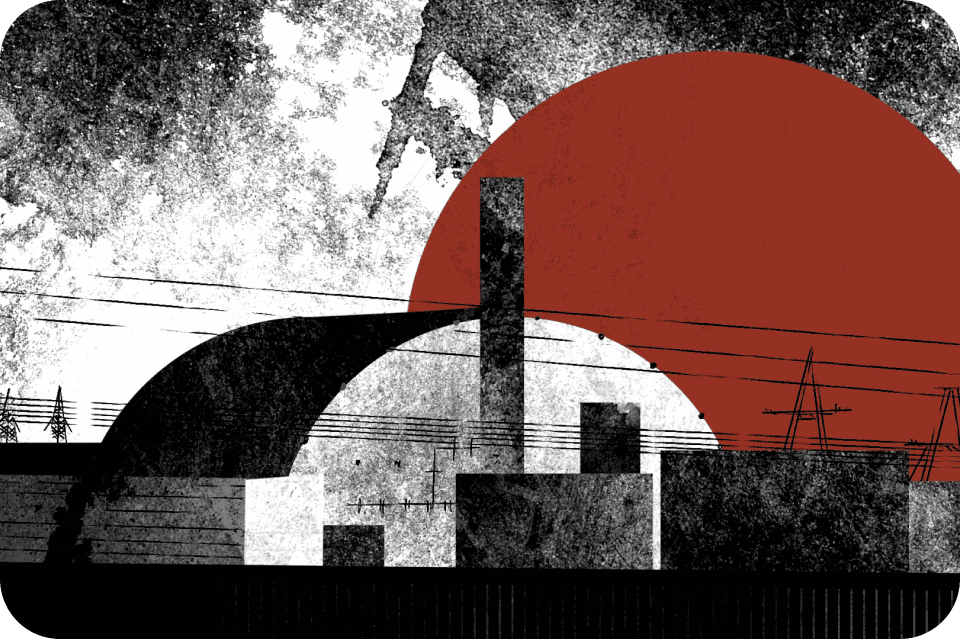
What could have happened at Chornobyl NPP during occupation, but did not

10-year-old orphan was effectively imprisoned

What is happening to Ukrainians at one airport in Israel

“Hunger was terrifying — people lost their minds”

Kostiantyn Myrhorodskyi’s 810 days in captivity

Mobilization in occupied Luhansk

SBU “raids”, female saboteurs, and armed foot races

Regions

“Russia aims to push us into darkness and talks”

Airstrikes, destroyed agricultural sector, metallurgy, energy, and Russia’s plans

Kryvyi Rih is not too warm

Why Zelenskyy’s hometown faces heating crisis

Russia scraps mines and is moving in its people in families

Russia forcibly mobilizes Luhansk miners into its army

Mayor Oleksandr Senkevich

Missiles reach us in three minutes. All of Mykolaiv is under target

Kharkiv Oblast governor Synegubov

Russians have already lost battle for Kharkiv

“Rubles are no longer in circulation”

How Kherson is returning to free life in Ukraine

Domestic politics

“They started giving us hell”

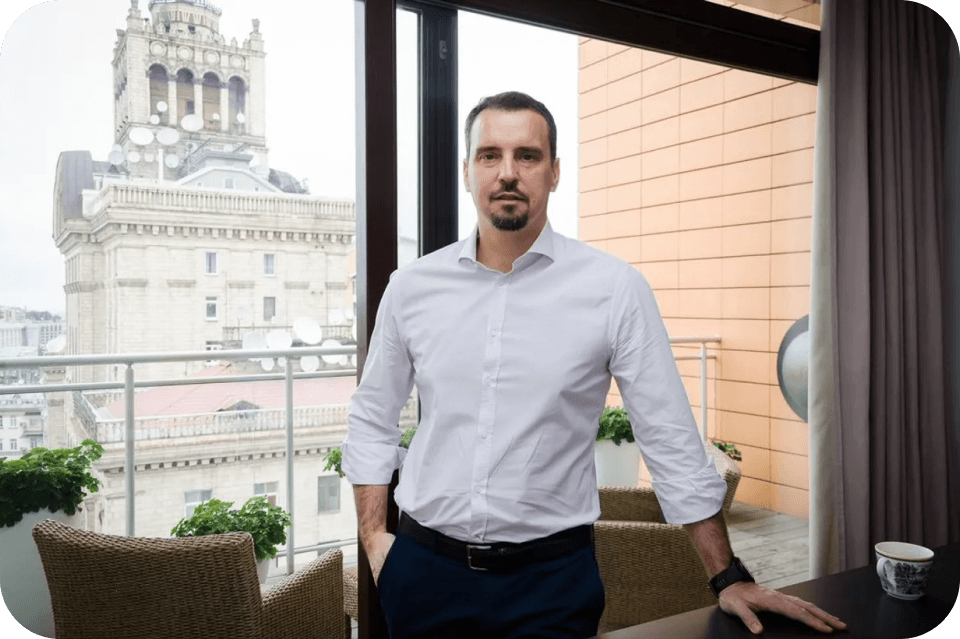
Why Nayyem is resigning and what Presidential Office has to do with it

Media accuse Zelenskyy’s advisor of exerting pressure

Fedorov’s rise

Next prime minister? What to know about Cabinet reshuffles

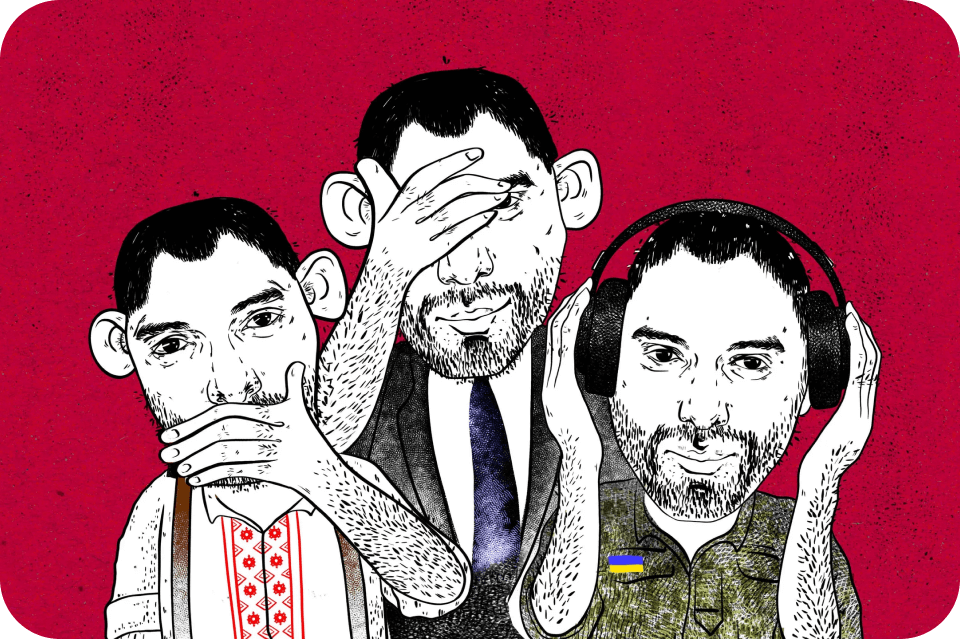
Moving on without Arestovych

Who commands Zelenskyy’s information army

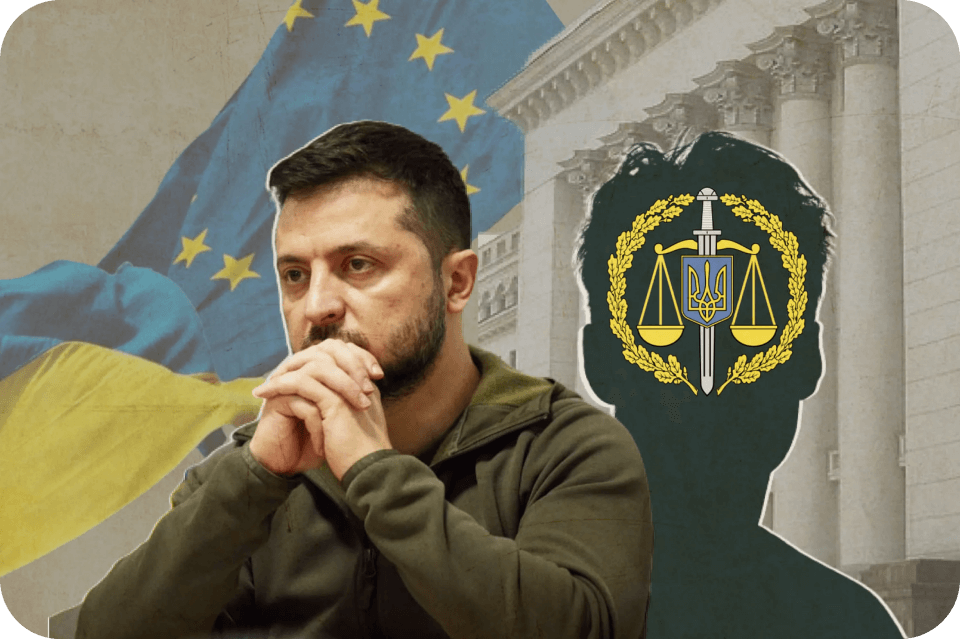
“It won’t be possible to wriggle out”

How competition for SAPO head threatens Ukraine’s EU membership

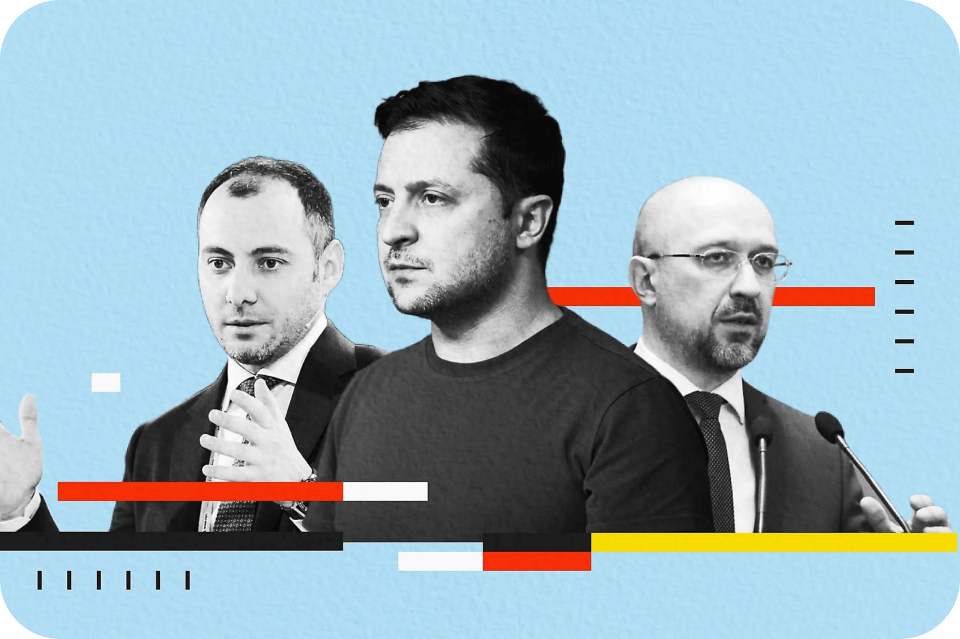
Kubrakov’s springboard

“Giant ministry” set to emerge in Cabinet

Ambassadors severing contact

Zelenskyy “landed new scandal” with NABU

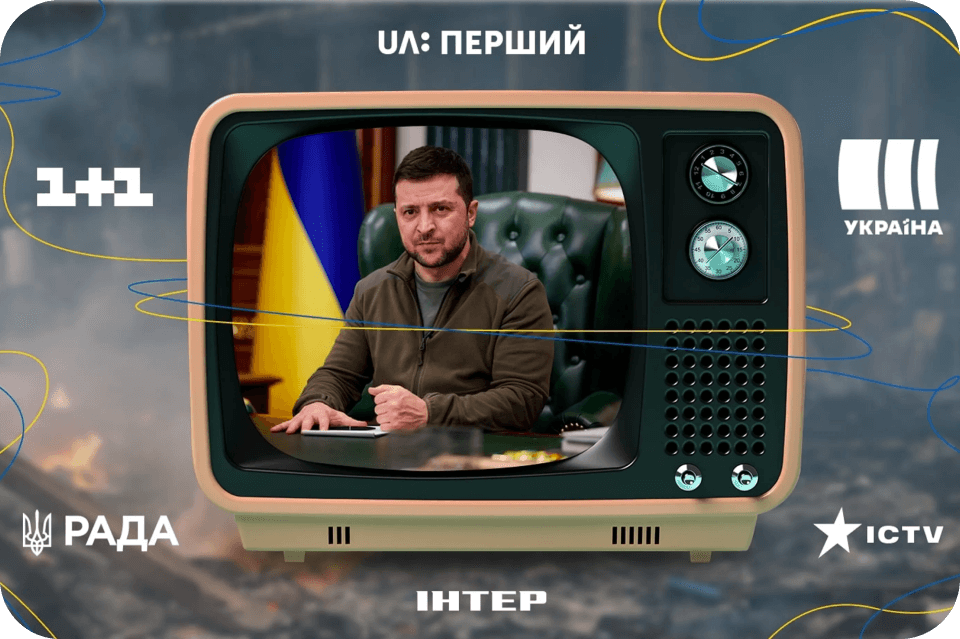
#UaRazom, but without Poroshenko

How national telethon is organized and who curates it for Zelenskyy

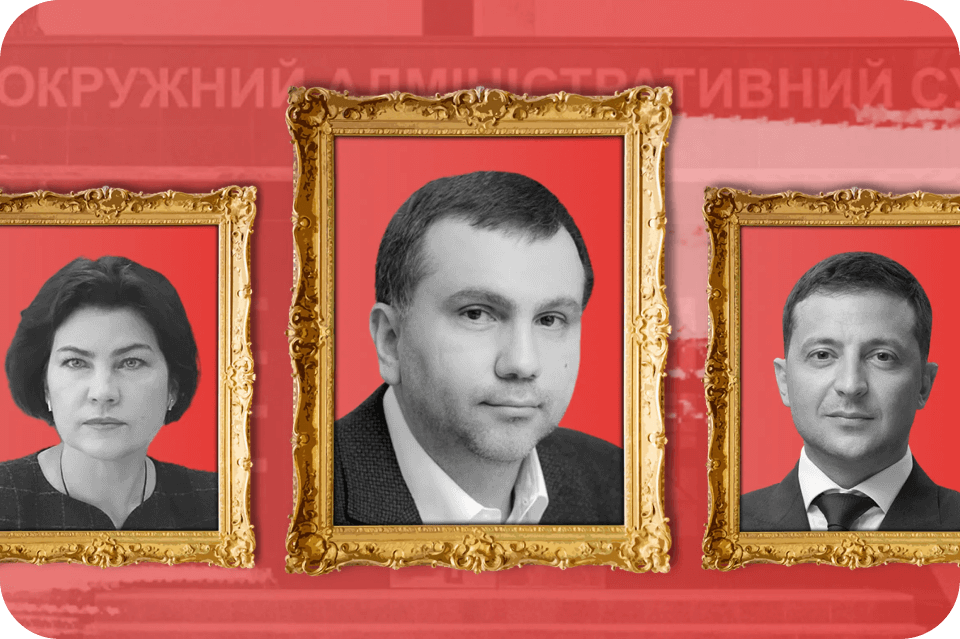
Pavlo Vovk and the secret chamber

OASK “empire of evil”: An inside look (almost a detective story)

Recovery: business and economy

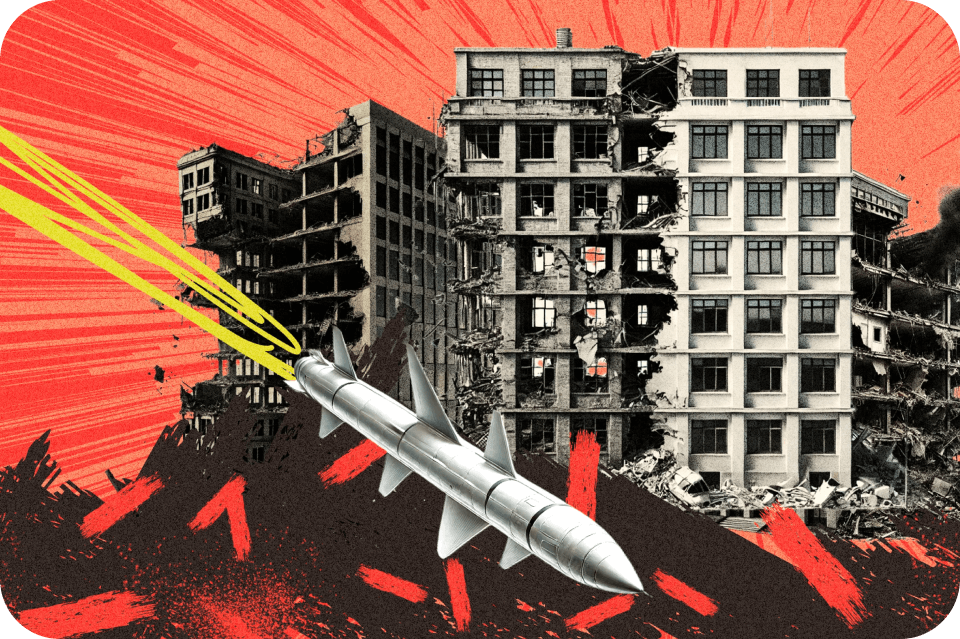
Destruction in numbers

Destroyed Facilities and Reconstruction Funds

Filling Artemsil gap

Kosiuk and Yaroslavskyi show interest in market: What’s at stake

Black earth boom

Price of hectare soaring like cryptocurrency

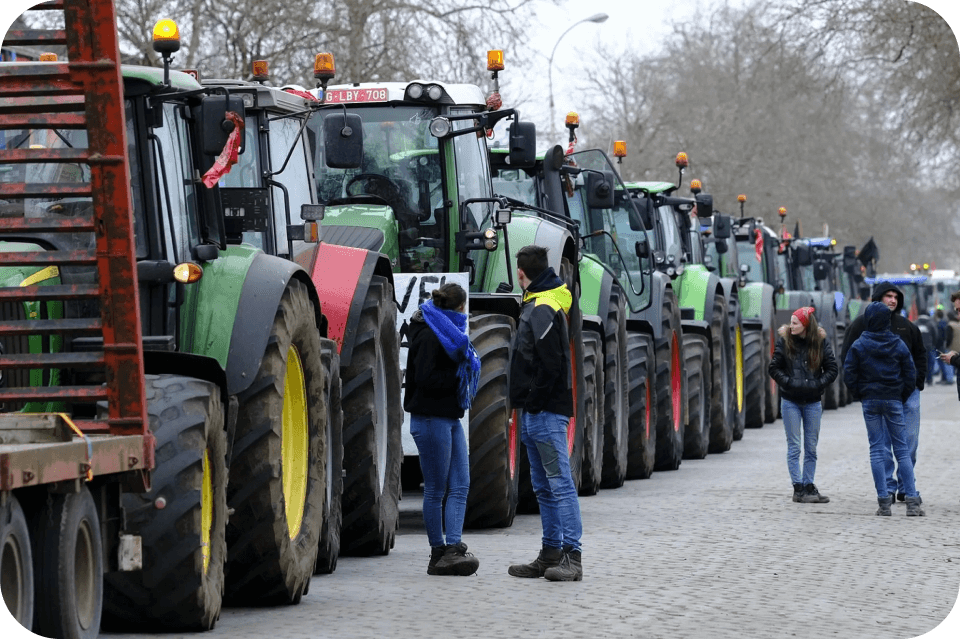
Tractor riot

How European farmers are destroying Green Deal and Ukrainian exports

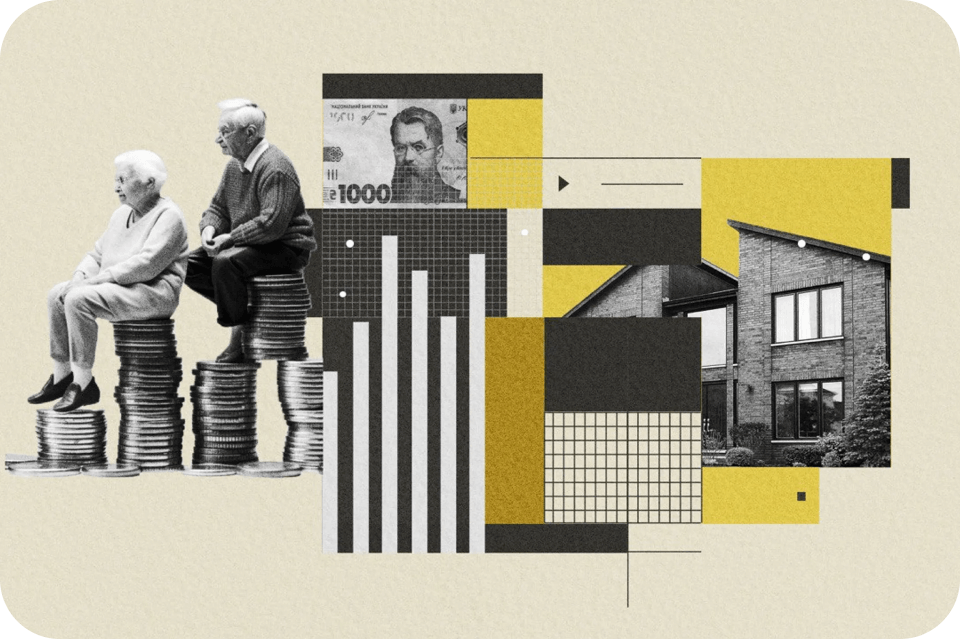
End of state pensions

Why central bank has its own private pension fund

Private fleet for agribusiness

A great voyage or path to the bottom

What’s wrong with Ukraine’s power grid?

16-hour power cuts, threat of cold winter — Lana Zerkal

Where Ukraine will find funds for post-war reconstruction

Starting point for rebuilding

Work after war

What veterans with disabilities will be offered by business and state

Reforms

Cabinet suspends Prozorro auctions

Setback for reform or necessary measure

Under the guise of concern

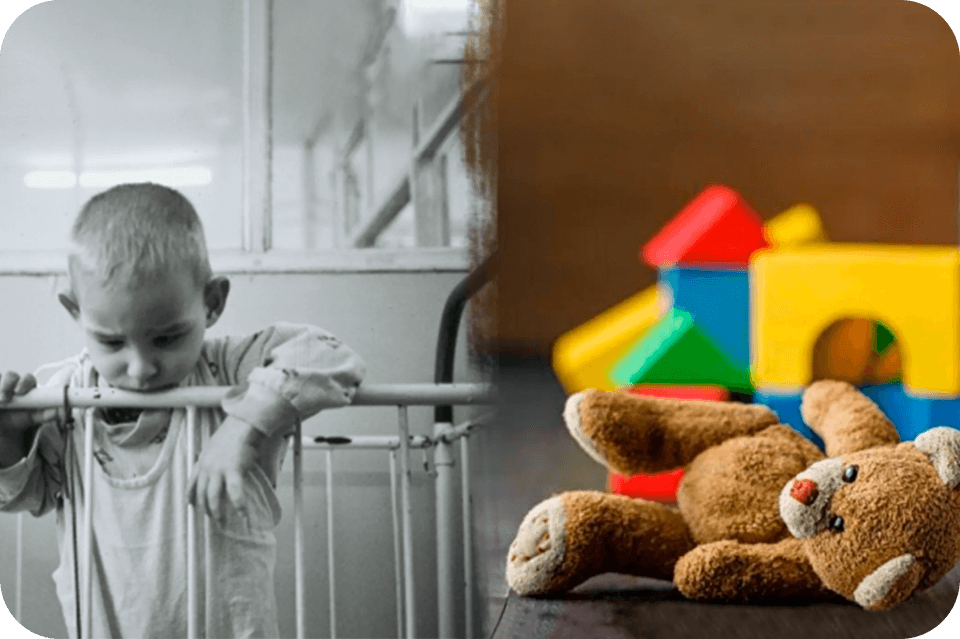
Or how Ukraine once again failed its child institution reform

Symptoms of rollback

What is stalling yet another key reform in Ukraine

Abromavičius resigns from Ukroboronprom

What becomes of his reform

“Distorted” medical reform

To what extent medicine will change for Ukrainians from 2021

“Freebie” diplomas

Or what is happening with higher education reform in Ukraine

Health and science

Why Ukrainians become collaborators

How to now live with those who betrayed their own and welcomed Russians

Is everyone at risk of PTSD, and is it forever?

Clarifying the issue with scientists and psychotherapists

Why Ukrainian soldiers should consider freezing sperm and eggs

We are going to live 200 years

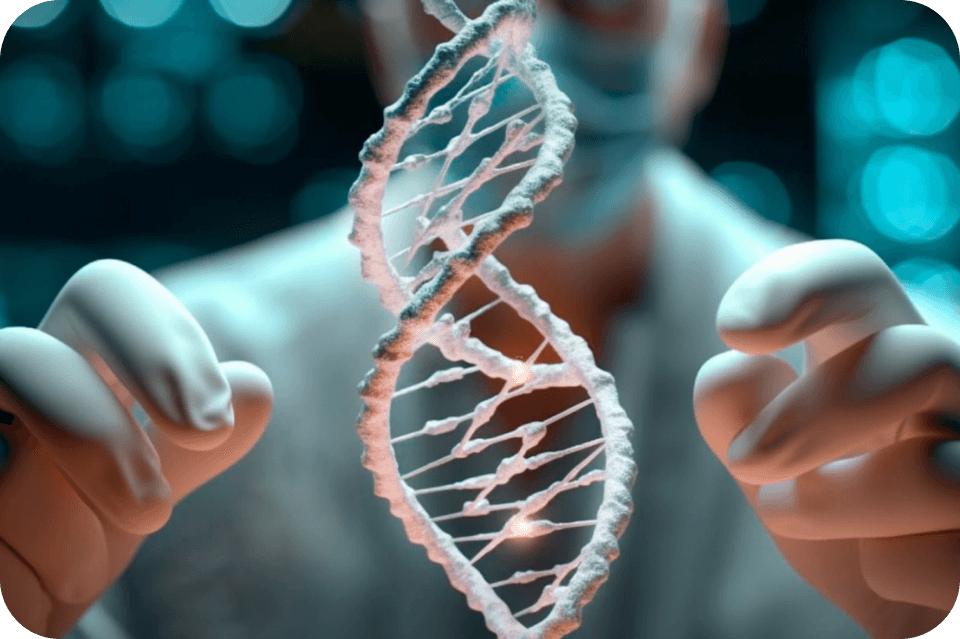
LIGA.net’s new story on DNA, geneticists, and CRISPR technology

Making it to dawn

Who and how helps patients get oxygen after hospital discharge

Immunity and coronavirus

Impact of disease and vaccine on immune system

Disappearance of antibodies and lethality of “British” variant

Immunity after COVID

Do closed schools help? — Review of research

Biological sabotage

Why Ukraine still does not have its own coronavirus vaccine

Projects

Building resilience to disinformation in Ukraine

04/2024 – 08/2024
09/2024 – 12/2024

Supported by Open Information Partnership

In 2024, Ukrainian society faced growing frustration due to a prolonged war, uncertainty around conscription, internal political shifts, a weakening economy, and delays in international aid. These conditions fueled social tension, creating fertile ground for Russian propaganda to amplify its narratives and exert intense informational and psychological pressure on Ukrainians.

In partnership with Open Information Partnership, the NGO League Journalism Development and LIGA.net launched a project to bolster societal resilience against disinformation and manipulative messaging. We conducted a series of campaigns to debunk false Russian propaganda narratives on conscription, foreign and domestic policy, corruption, energy, and the economy. The project involved trusted experts, opinion leaders, and influential figures to ensure credibility.

As part of the project, we created 49 text materials and 28 videos, reaching an audience of 3.2 million.

Advancing analytical journalism for a better Ukraine

06/2023 – 07/2024

Supported by Internews Europe

The full-scale invasion posed severe challenges for Ukrainian media: loss of advertising revenue, staffing shortages due to conscription, and team burnout. LIGA.net’s newsroom successfully maintained basic operations and delivered high-quality content. However, by the second year of the war, working at full capacity led to burnout, forcing journalists to cover areas outside their expertise, with almost no vacation time, often prioritizing speed over depth.

This project enabled the publication of high-quality analytical content on politics and business, expanded coverage topics, and supported journalists’ professional growth by allowing them to specialize. It also grew the outlet’s quality audience.

92 articles on international politics and 37 exclusive analytical articles on society, politics, business, and finance were published. The coverage reached 6.8 million people.

Voices of Kherson’s torture chambers

09/2023 – 12/2023

Supported by DT Global under the EU4IM project

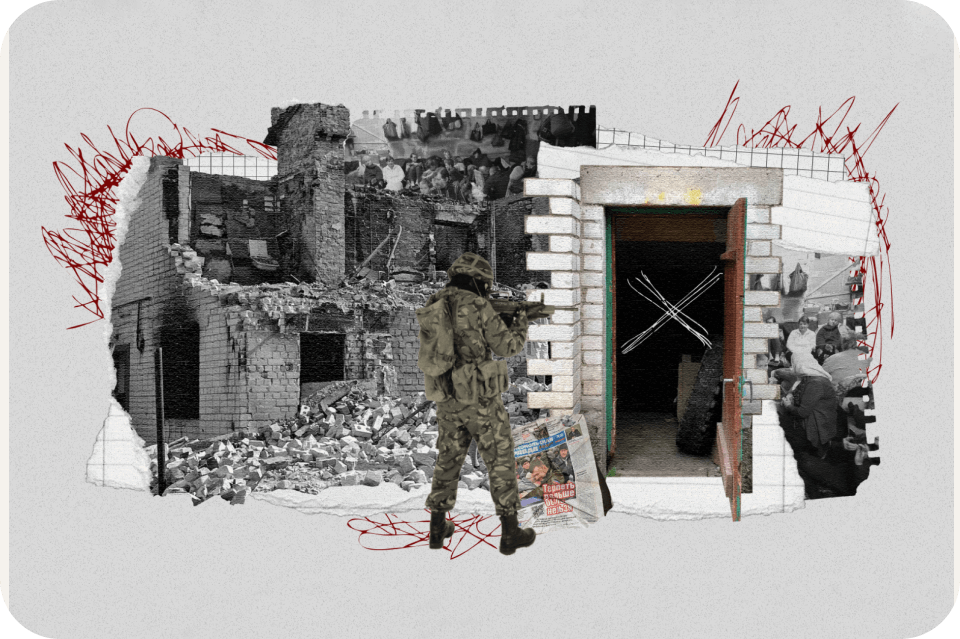
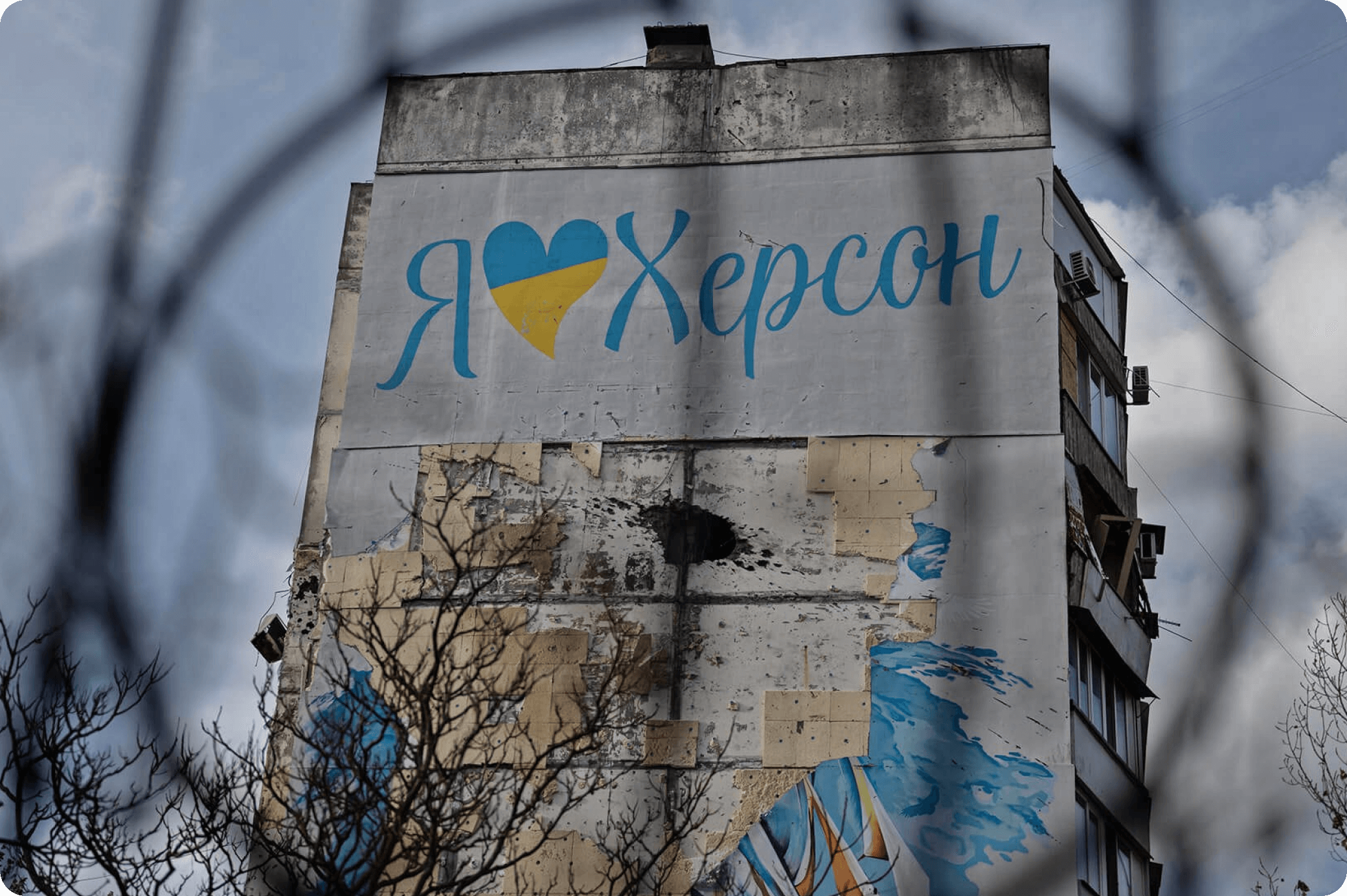
During Kherson’s occupation from March to November 2022, 20 torture chambers operated, affecting hundreds, including children. The fate of 400 missing individuals remains unknown. Ongoing investigations continue to uncover new evidence, revealing critical facts that require national coverage. Publicizing these accounts helps heal collective trauma, builds societal resilience, and highlights the depth of Russian repression—past for Kherson but present for many other cities.

The project aimed to depict the stages of detainees’ experiences through individual stories, exposing the systematic efforts of occupation authorities to erase Ukrainian identity.

The League Journalism Development and LIGA.net created a multimedia report reconstructing the repression of pro-Ukrainian activists and civilians in Kherson. The first part detailed the structure of occupation governance, revealing discrepancies between “official” and actual occupation authorities. The second part tells the story of the struggle of victims of the occupation who were tortured for their civic stance. This piece was not only about suffering, but also about months of civic resistance, which took various forms and became a testament to the resilience of Ukrainian society.

As part of the project, two video reports reconstructing the events were created, with a total reach of 185,700.

Science against pain

10/2022 – 12/2022

Supported by the charity organization Fondation of Strategic Changes

The “Science Against Pain” communication campaign addressed limited access to medical services during the full-scale war and the rise in physical and psychological trauma. Furthermore, anti-scientific information is becoming increasingly prevalent in Ukrainian media and social networks. The stress caused by the war is pushing Ukrainians to turn to unverified and often harmful sources of information, as well as to charlatans, instead of specialists. The balance between scientifically sound information and harmful anti-science is clearly not in favor of science at the moment.

The League Journalism Development, in collaboration with LIGA.net’s newsroom, set itself the goal of protecting the population from harm caused by incompetent assistance or lack thereof in the event of trauma. This is achieved by raising awareness of the impact of psychological and physical trauma on health and the need to use a scientific approach to overcome it.

We produced five longreads in collaboration with LIGA.net journalists, Ukrainian doctors, and scientists, providing reliable information for those seeking answers to complex health questions during these tough times.

The total number of views of the project materials amounted to 1.4 million.

Providing reliable information and supporting informed decision-making

03/2022 – 12/2022

Supported by the International Renaissance Foundation

With the start of Russia’s full-scale invasion of Ukraine on February 24, 2022, the role of independent media outlets such as LIGA.net became extremely important. The team switched to round-the-clock operation, launched an English-language news service, and adapted formats to ensure the uninterrupted provision of reliable information. This helped readers make informed decisions for their safety.

LIGA.net’s expertise in producing timely, objective content became vital during the first months of the war, as the information front extended far beyond Ukraine, and the amount of disinformation, fakes, malicious narratives, and even just spontaneous, emotionally charged messages about the war grew rapidly.

The project focused on producing accurate content, identifying misinformation, and providing information for informed decision-making.

Through this project, LIGA.net’s newsroom was able to both cover critical events and help the public gain a wider perspective. Our greatest achievement was sustaining audience engagement with important stories, even amid difficulties like the loss of essential services following the energy infrastructure attacks in the fall of 2022.

The project contributed to keeping the newsroom functioning during its most critical phase.

Supporting efforts to counter disinformation in Ukrainian media

09/2021 – 11/2022

Supported by the US Embassy

Since 2014, Russia has waged an information war against Ukraine through propaganda and disinformation. By 2021, while experts understood Kremlin tactics, Ukrainian media lacked the knowledge, basic skills, and coordination to counter them effectively, allowing Russian propaganda to infiltrate Ukrainian outlets, often due to a lack of skills in recognizing it.

League Journalism Development and LIGA.net collaborated with government officials and disinformation experts to help Ukrainian media resist propaganda more effectively. The comprehensive approach involved training journalists to recognize and counter harmful narratives, as well as raising public awareness of information threats.

In collaboration with Internews Ukraine, we delivered training workshops in December 2021 and February 2022—the latter taking place one week prior to the full-scale invasion—instructing more than 60 journalists in the foundational skills of recognizing and countering disinformation.

We published 14 analytical pieces that dissected the channels and methods of disinformation spread, threats to Ukrainian statehood, the most powerful fakes, and regional dangers across Ukraine. We believe we managed to prepare LIGA.net readers for the information attacks that occurred at the start of the invasion, to the extent possible.

In the following months, we adopted a proactive approach to counter the Russian propaganda that had flooded Ukraine’s information space. We completely refused to duplicate any Russian messages, even for the purpose of identifying their source. Instead, we focused on combating Russian propaganda by providing factual, high-quality, reliable, and timely information, thereby protecting the outlet’s audience from panic and encouraging them to form their own judgments based on facts, rather than emotion.

Over the course of the project, we produced 171 pieces that refuted, debunked, or neutralized at least 26 key Russian narratives being spread in Ukraine, reaching 14.5 million people.


Media immunity 2021  

11/2021 – 11/2022

Supported by the Black Sea Trust for Regional Cooperation

In the summer of 2021, it seemed that the COVID-19 pandemic would be with us for the long haul. Ukraine’s vaccination rates were lagging, which necessitated urgent improvement in public awareness. People were overwhelmed by negative information, and interest in COVID-19 topics was dropping. With this project, we aimed to investigate issues and problems overlooked by Ukrainian media, and to initiate discussions involving broad segments of society. Our goal was to identify and draw attention to solutions for the most destructive post-COVID problems.

We published three articles after Russia’s full-scale invasion of Ukraine began. Once the invasion started, all COVID-19-related issues lost their significance. The immediate necessity for society was to unite to solve the entirely new problems caused by the devastating war. Thanks to our partners at the Black Sea Trust, we were able to create unique materials about the self-organization of Ukrainian society: city dwellers helping elderly neighbors survive the first days of the war, villagers rallying to protect their homes, and doctors continuing to deliver babies under siege and on the front lines.
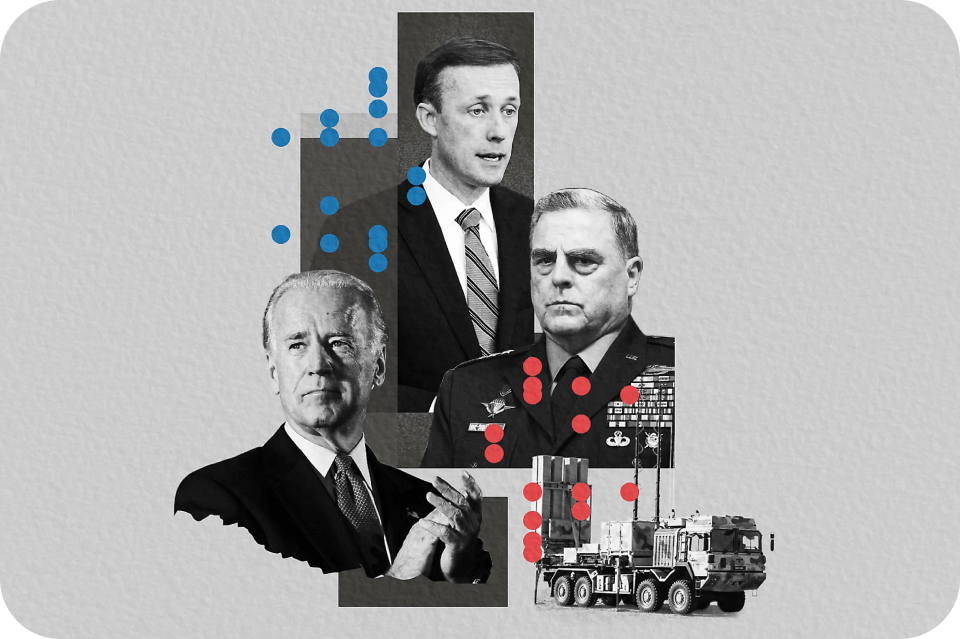
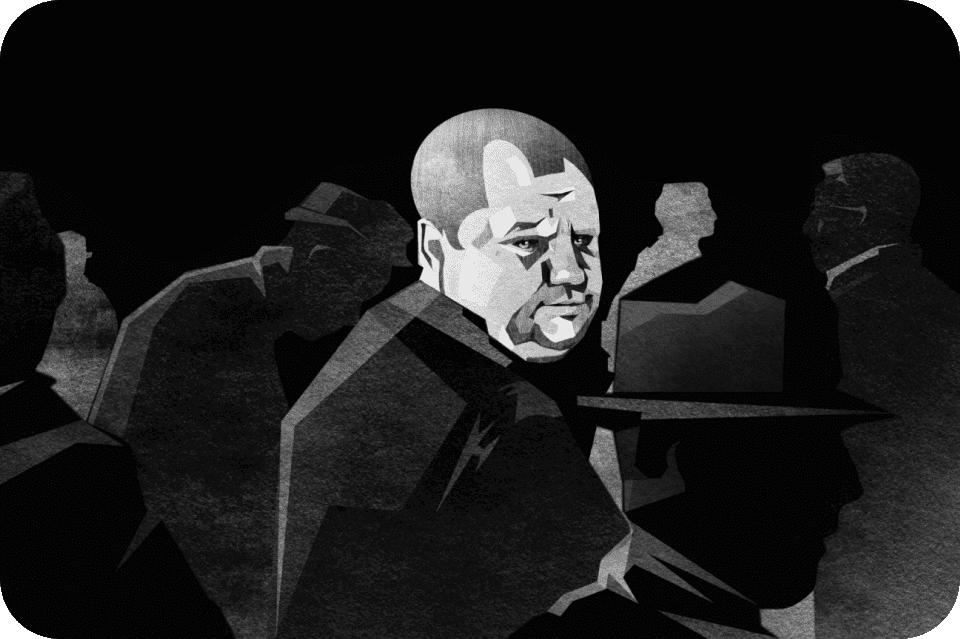
We were the first to report the details of the seizure of the Chornobyl Nuclear Power Plant, events in the village of Yahidne after liberation from the occupiers, the work of volunteer drivers who risked their lives evacuating people from Mariupol in the first weeks of the occupation, the abduction and torture of pro-Ukrainian citizens in occupied Kherson, and how families search for loved ones held captive, among other stories. Each of these materials is a piece of history. They motivated, offered hope, helped people find unconventional solutions, and, above all, encouraged them to stand together in the fight for freedom.

16 longreads were published, with a total audience exceeding 2 million.

War and health  

04/2022 – 08/2022

Supported by the Helsinki Foundation for Human Rights

The war mercilessly uprooted millions of Ukrainians, forcing them to flee their homes and lose access to essentials like healthcare. Almost every Ukrainian now contends with psychological trauma, worsening physical conditions, and new crises. Regrettably, amidst these challenges, the volume of reliable health information in the media has shrunk dramatically. With war and political news dominating, the space for verified data on mental and physical well-being contracted. This resulted in the spread of unverified information and, ultimately, self-medication rather than seeking professional help.
This prompted the NGO League Development Journalism, together with the LIGA.life newsroom, to launch a project aimed at providing Ukrainians with access to thoroughly verified, scientifically sound health information. Our experts—qualified doctors and psychologists—shared practical advice to help maintain physical and mental health during the war.

Beyond that, we collected and published accounts of Ukrainians who showed incredible strength and resilience during the nation’s darkest hours. Their experience is a beacon of hope and inspiration for us all.

The project resulted in 181 published articles and interviews, garnering 3.9 million views on the LIGA.net website.

Emergency support for LIGA.net in 2022

25/02/2022 – 05/2022 European Endowment for Democracy  
04/2022 – 07/2022 International Media Support
12/2022 – 04/2023 Black Sea Trust for Regional Cooperation

League Development Journalism and LIGA.net are grateful to our partners, whose support allowed us to continue providing relevant, reliable, and timely information. This information helped Ukrainians make sound decisions during the first months of Russia’s full-scale invasion and throughout the widespread power outages of the 2023 fall and winter.

Addressing urgent threats to strengthen disinformation resilience

02/2022 – 03/2022

Supported by the Open Information Partnership

The NGO League Development Journalism and LIGA.net intended to produce four reports addressing informational and security threats posed by Russia. The focus areas included dangers stemming from Crimea, Russia’s leverage over Belarus, provocations in the Donbas, and the Kremlin’s domestic efforts to destabilize Ukraine. The core objective was to bolster resilience against disinformation among Ukrainian media, explain how misinformation is spread, and teach journalists how to identify it. Particular emphasis was placed on anonymous Telegram channels and the current risks facing Ukraine.

We managed to cover two topics, reaching 574,000 readers, when Russia’s full-scale invasion of Ukraine began on February 24, 2022. Afterward, the themes and format lost their relevance, and LIGA.net immediately pivoted to providing 24/7 verified, urgent information to citizens of Ukraine and audiences worldwide. The resources mobilized through the project were redirected to this new activity, generating 7.4 million views. Nearly 2.5 million readers received verified and objective information during this critical moment, as the flood of disinformation and massive information campaigns orchestrated by Russian propaganda literally saturated Ukraine.

Science against COVID 

01/2021 –  08/2021
08/2021 – 02/2022

Supported by the International Renaissance Foundation and the European Union

The project aimed to mitigate the impact of poor COVID-19 awareness on public behavior, including compliance with quarantine measures and trust in medical experts. The environment was marked by constant information manipulation: public trust in official information from officials and politicians remained very low, while the Ukrainian Ministry of Health’s social media became a hub for active anti-vaccination groups. To counter this, the NGO League Development Journalism and LIGA.net established a “safe” destination where citizens could access verified, evidence-based information in their preferred format — text, video, or audio. Content was released on LIGA.net, the @K.Rationalist YouTube channel, Kultura radio, and various podcast platforms.

The project’s goal was to equip the audience with new scientific information about COVID-19, sourced from scientists and medical professionals, to help them make optimal decisions and preserve their health. This was crucial because emotions and panic provoke irrational behavior, non-adherence to quarantine rules, and vaccine refusal.

Featuring Doctor of Medical Sciences Andriy Semyankiv (Med Goblin) and the LIGA.net journalism team, we produced and published 54 articles, 28 videos, 34 podcasts, and 24 radio shows, reaching an audience of 3.8 million.

Reform rollback: How to prevent stalling education, healthcare, and governance reforms

09/2020 – 03/2021

Supported by the International Renaissance Foundation

Communication channels are frequently used to manipulate public opinion: spreading fakes, emotional provocations, and questionable resources within educational and medical groups. This generates a negative attitude toward reforms that could actually improve the lives of all Ukrainians, provided they are implemented gradually and with proper understanding. Such attacks intensified before the 2020 fall local elections, as reforms demand steps that are important but not always popular.

We believe it is the journalist’s responsibility to bring key issues to the attention of the audience. The primary success of this project was sustaining focus on critical reforms. Our work involved conducting in-depth analyses, finding experts, challenging officials, and clarifying for readers the true meaning behind politicians’ declarations or their lack thereof.

The project produced nine analytical pieces on education and medicine, as well as reports on state governance processes. We broke down the responsibilities of different government bodies, investigated societal influencers, and analyzed the root causes of specific manipulative tactics.

Reach: 311,000 views.

LIGA.net: Returning to self-sustainability and informing Ukrainian society  

07/2020 – 03/2021

Supported by the European Endowment for Democracy

This project is designed to safeguard high-quality journalism in Ukraine by supporting the independent outlet LIGA.net in producing objective, trustworthy content and refining its model for financial resilience.

Our project materials dissected key changes across Ukraine: legislative developments, reform rollbacks, shifts in leadership, and policy within core institutions (healthcare, education, banking, tax, anti-corruption, and the judiciary). We monitored COVID-19-related events in both policy and daily life. Crucially, we focused on phenomena exploited for propaganda and manipulation, offering detailed analysis and explanation.

We succeeded in our primary objective—to sustain the quality of news and analytical coverage of socio-political developments in Ukraine.

The output included 26,466 news reports, 299 analytical pieces, interviews, reviews, investigations, and stories, as well as 951 expert opinions.

Total reach: 65 million views.

Partners

In partnership with IA LIGABUSINESSINFORM LLC, all materials produced by the organization are published on LIGA.net’s website and comply with journalistic standards as defined by the LIGA.net Editorial Code.

Phone: +38 (044) 538 01 11

Email: [email protected]

Address: 23 Parkovo-Syretska St., Kyiv, 04112

© 2026. All rights reserved. League Journalism Development